
Social Self-Regulation Concepts, Tools & Strategies for Teaching Your Students


Teaching Concepts for Social Self-Regulation
Social self-regulation is so much more than simply regulating what we do or say. Social self-regulation involves thinking about thinking (metacognition) and starts with an awareness of our own thoughts, emotions, anxieties, and the role they play in how we interpret others’ words and actions and, in turn, how ours are perceived and interpreted by others. Social self-regulation gives us the tools to work, play, learn, and communicate in groups—and is vital to achieving our personal and group goals. But for many individuals (Neurodivergent and neurotypical children/students/clients) with social thinking needs, it’s not that simple. Social self-regulation requires social awareness, social interpretation, and social problem solving to decide how to respond (or not) across a range of diverse settings and situations. It’s an internally driven journey—very different from external mandates or reward-driven programs that prescribe how to behave in a specific time and place.


Explore best-selling social self-regulation products for different developmental ages
The Zones of Regulation
Highly Engaging Games to Motivate Discussion & Problem Solving
Powerful Tips & Strategies for Your Child’s Developing Mind

Free Stuff for Home & School
Free Articles
The ABCs of Summer Boredom: Awareness, Curiosity, and Action
Social Metacognition: Using Social Emotional Learning to Engage Hope
Social Perspective Taking & The 5 Steps of Being with Others
Social Emotional Self-Regulation: Why It Doesn't Involve a Behavior Plan
Three Ways to Advocate for Students Who Appear Persistently “Checked Out”
Free Video Lesson
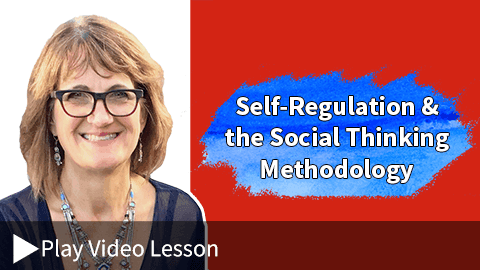
Michelle Garcia Winner, MA, CCC-SLP
Michelle Garcia Winner explains how self-regulation is a process of using one’s social competencies to socially attend, interpret people in context, problem solve how to respond, monitor how our words or actions are being perceived, and then adjust as needed to meet our own personal social goal(s).
The Zones Free Stuff

What is Social Thinking?
.webp&w=1536&q=75)
Develop Social Competencies
The Social Thinking Methodology provides evidence-based strategies to help people ages four throughout adulthood develop their social competencies, flexible thinking, and social problem solving to meet their own social goals and improve:
- Conversation & social connection
- Executive functioning
- Friendship & relationship development
- Perspective taking
- Self-regulation
- Social Thinking Vocabulary
- Social Problem Solving
